01
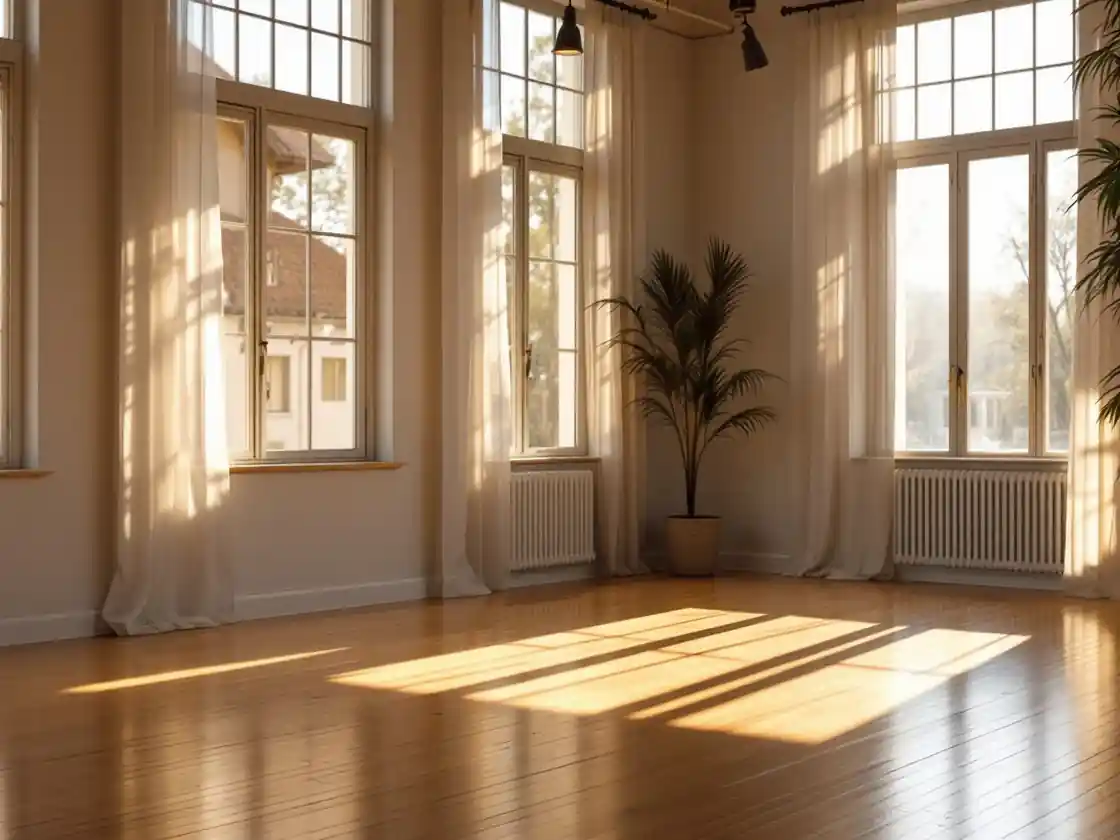
Shared-interest classes
Cooking, pottery, dance, a language, improv. A weekly class gives you repeated exposure, a built-in topic and a mixed room — among the highest-return places there is.
The real-life places that actually work — and the simple psychology behind why a weekly class beats a night of cold approaches. No bar-pickup nonsense.

We don't list "where the single women are" like a hunting map — that framing is both creepy and useless. Instead we rank places by a simple, evidence-based test: do you go back repeatedly, is there a built-in reason to talk, and is the pressure low? Places that score on all three do the work for you.

The rankings lean on two well-established findings — the mere-exposure effect (Zajonc) and the proximity effect (Festinger) — plus current reporting on where people are actually meeting in 2026. Sources are cited and dated at the foot of the page.
Almost every genuinely good place to meet someone shares the same two ingredients. Understand them and you can spot a good venue anywhere.

Psychologist Robert Zajonc showed in 1968 that simply seeing someone repeatedly makes us like them more — the mere-exposure effect. A weekly class or club means you meet the same people again and again, so "approaching a stranger" quietly becomes "chatting to someone you already half-know". That is a far easier, more natural path.

A classic MIT housing study (Festinger and colleagues, 1950) found friendships clustered strongly among people who were simply near each other day to day — the proximity effect. Shared, recurring spaces manufacture exactly that closeness, which is why a running club out-performs a night of approaching strangers.
The last piece is stakes. When you're both there for the pottery, not the dating, a conversation costs nothing and a non-response means nothing — you simply carry on with the class. That low-pressure frame is what lets things develop naturally over weeks instead of hinging on one nerve-wracking moment, and it's the single biggest advantage recurring places have over a bar.

Ranked loosely by how well they hit the three tests — repeat exposure, a reason to talk, low pressure. Pick one or two you'd genuinely enjoy and go weekly.
Cooking, pottery, dance, a language, improv. A weekly class gives you repeated exposure, a built-in topic and a mixed room — among the highest-return places there is.
The 2025-2026 real-life "third place", covered by Forbes and the Boston Globe. Free, healthy, social, and you see the same faces every week. Popular ones can get crowded — go for the community first.
A shared goal plus repeated exposure. Climbing gyms and social sports leagues are especially good — people naturally spot, chat and regroup.
Shared values, a pro-social setting and the same people week to week. It says more about you than any profile, and conversation starts itself.
Book clubs, board-game nights, photography walks, hiking groups. Self-selected shared interest does the filtering, and the topic is built in.
Partner dance especially — salsa, swing, bachata — combines close proximity, rotation between partners and a low-pressure reason to interact. Uniquely effective.
Become a regular somewhere and staff and other regulars turn into familiar faces. Coworking spaces and coffeehouses are named "third places" for good reason.
Still one of the biggest ways couples meet. Say yes to invitations, host, and let your social network do introductions — the oldest system, and it works.
Regular gatherings around shared values and repeated contact — plus a ready-made reason to be there and to talk.
"Approaching strangers in a bar" is the default advice and the weakest option: no repeat exposure, high pressure, often too loud to talk. Bars are great with friends or after you've met someone elsewhere — just not as your primary strategy.

Stanford's "How Couples Meet" study found online is now the most common way US couples meet, overtaking "through friends" around 2013. But dating-app fatigue is real — 46% of app users describe the experience negatively (a slim 53% majority still rate it positive), per Pew — and that is exactly why in-person "third places" have surged since.

Introductions through friends led for decades and, though declining, remain one of the largest offline channels. Widening and activating your social circle — saying yes to invitations, hosting, being the person who connects others — quietly multiplies your chances without a single cold approach.
Real-life meeting won't hand you fifty matches a night. What it gives you is better: shared context, repeated exposure and actual conversation, which build genuine attraction. The strongest strategy is both — an app to widen the pool while your real-life social life does the deep work. Our online guide covers the app half.


The fastest way to get a bad name in a class or club is to treat it as a dating pool. Show up for the activity itself, be a good member, and let connections happen. If someone isn't interested, you still keep the hobby, the friends and your welcome — which is exactly why this beats a one-shot approach.

Warm, open responses mean carry on; short answers or turning away mean ease off, graciously, the first time. Our conversation guide covers this in depth — but the whole of it is aiming for mutual interest, never for "winning". Persistence after a no is the behaviour to avoid, always.

Recurring, shared-interest settings beat bars almost every time: a weekly class, a run club, a sports league, a volunteering group. Two psychology findings explain why — the mere-exposure effect (we like people we see repeatedly) and the proximity effect (we bond with people we're near and interact with often). Those places give you both, a built-in reason to talk, and far less pressure than a cold approach.
Everywhere you do — fitness classes and gyms, run and cycling clubs, dance and pottery classes, volunteering, book clubs and hobby meetups, farmers markets, cafes, dog parks and community or faith groups. The trick is not finding a mythical "place with lots of single women", but going regularly to places built around something you genuinely enjoy, so you meet the same people again and again.
Yes — run clubs became a genuine real-life dating "third place" in 2025-2026, widely covered by Forbes, the Boston Globe and NBC News. They're free, healthy and low-pressure, and you see the same faces weekly. The honest caveat is that popular clubs can become their own crowded dating markets, so treat it as a great shared context to make friends and meet people, not a guaranteed shortcut.
Pick one or two recurring activities you'd do anyway — a class, a club, a volunteering slot — and commit to going weekly. The repeated exposure turns strangers into familiar faces and gives you natural, low-stakes reasons to talk. Add your existing social network (meeting through friends is still one of the biggest ways couples meet) and you have a far better system than a night of approaching strangers.
Very much so. Online is now the most common way US couples meet (Stanford), but dating-app fatigue is widely reported and in-person "third places" have surged as a response. Real-life meeting is lower-volume but higher-quality: shared context, repeated exposure and real conversation build attraction in a way an algorithm can't. The strongest approach is both — apps to widen the pool, real life as the anchor.
Real-life places are the long game. To get talking to people this week, an app is the fastest on-ramp — use it alongside everything above.
Free to join · real people near you · 18+
Reviewed by the Umbrella Lane editorial team · Published August 2026. Grounded in published research, respectful and consent-first — no manipulation or "pickup" tactics. Figures are cited and dated.
Sources: Rosenfeld et al., PNAS 2019 / Stanford · Pew Research Center, 2023 · mere-exposure (Zajonc, 1968) and proximity (Festinger et al., 1950) via Simply Psychology · run-club reporting, Forbes 2025.